Showing posts with label green art. Show all posts

09 December 2009

Sustainable Music

I can not remember how I happened upon Diego Stocco but I am glad that I did. First just watch his video where he creates beautiful music from an element of nature...SAND!


Diego Stocco - Music From Sand from Diego Stocco on Vimeo.

Um. Wow.

Nature may not do it for everyone, but for me...I love music. I love sound. I love rain on pavement and the sound traffic makes against that. I love the sounds nature makes and I love the sounds musicians make. I love music. After coming across Diego Stocco's work, I started thinking about sustainable approaches towards music and within a few minutes my google search was out of control.

First, I thought about how its such a practical idea to use nature itself in creating music. Diego used sand in one video and a tree in another to create sounds. You can't get more granola than that!


Then I thought about how you can use a simplistic approach towards music. While some people like a huge spectacle type of show such as the U2 concert which I will touch upon later, I also love when its just a singer and their guitar. I can't tell you what the sound of that does to me. Such as a dear friend of mine Dave Seume. Now, Dave can put on a good show. I went to enough of his concerts during college and recorded pretty much all of them. But what I love about one of his latest singles and videos is how he just has his guitar and he sings a song that is so beautiful. Listen to my friend. Dave and his guitar. That's sustainable!


Another approach towards sustainability in music is purchasing used instruments. I really want a guitar and instead of buying a new one, I'd love to have a used one. Perhaps I'll scourer craigslist for a good one.

Another approach is educating yourself. Sustainability and Music is a whole other topic. I'm doing a short post about it but their are blogs and alliances out there just for this in mind. I happened upon Sustainable Music which focuses on cultural sustainability in regards to music but I believe that's just as important as environmental sustainability and economic sustainability. I also came across the Green Music Alliance.
There was so much information on that website it was out of control...in a good way. Take some time and explore the site. I found so many resources. I didn't know there was such a movement! Why can't all the various movements join as one, to really show the true number of people who are really making an effort towards sustainability.


Another thing that I personally do is download all my music. I believe this leaves a far less carbon impact than buying cd's or vinyls or cassette tapes.

Another thing you can do, go to local jazz lounges and open mic cafe type places and hear and support the local musicians in your area.

On a different note, recently I had to opportunity to attend to opening night of U2's 360 tour that began in Chicago. It was amazing! I had encountered Bono before at my undergraduate college because he was there spreading the word about the ONE campaign. But I had never seen him rock before! The concert was incredible!

But while it was incredible it left a GIGANTIC carbon footprint. I wish you could have seen it. The stage was MASSIVE. The sheer amount of energy used....all those lights....all those amps. The stage manager booth was bigger than my apartment. Probably bigger than most people's houses. Imagine that. Needing a booth the size of a house to run the show from. That's crazy.


I heard things like, it taking over 200 trucks to move the concert from city to city. I heard it cost 40 million to build the stage. 334 stage hands to make it all work. The fact that it takes 5 days to assemble the stage and 3 days to take it apart...I've never heard of such a thing. How did such a massive, expensive show fit with their environmental beliefs.

The Edge spoke with   BBC News and was quoted as saying,"I think anybody that's touring is going to have a carbon footprint. I think it's probably unfair to single out rock 'n' roll. There's many other things that are in the same category but as it happens we have a programme to offset whatever carbon footprint we have." He was also quoted as saying, "We'd love to have some alternative to big trucks bringing the stuff around but there just isn't one."


Here's the thing. As much as I LOVED the show. The effects were out of this world. The band was AMAZING, everything was great...but as much as I loved it, I still feel his comments are a bit of a cope out. For a group that is trying to literally feed the hungry children in africa, it seemed like for as long as they have been in the business they could have come up with some creative solutions and alternatives.

But I don't judge them. While I spout out my granola tendencies, there are other areas in my life where true "greenist" would be appalled. So I get it. I have a quote on one of my art journals that's from Bono. It says something to the effect of, "I want to be a Rock Star and save the world too!"

Can they co-exist? Is it ok to spend half your fortune on your every whim and then the other half on starving children. Or should it all go to them? When is enough enough?

I can't answer that questions. But I can say that I hope that they find another way to put on their shows. What if the biggest Rock Band in the world was able to give a phenomenal experience to its fans while still taking sustainable measures. It would set the standard in the music industry!

One of my favorite moments from the show was probably one of the quietest, less showy moments. It was when The Edge played guitar and Bono held the mic and together just the two of them sang, "Stuck in a Moment." To me, that simple moment was the most mind blowing of all. The Edge, Bono and an acoustic guitar.

What could U2 have done differently? What are other ways in which music can be environmentally sustainable? Diego used sand and trees to make music...what else should he use? Have you created music from the earth.

04 November 2009

Green Art by JantiraK

One of my closest friends is an amazing artist and so so lovely and dark and twisted and beautiful and I love it!!! She's one of those people that I wish had a few clones because I swear the world would be a far better place.


After posting about Green Stage Management in a previous post, Jantirak told me she wanted to write something about Green Art and then SHE DID and it's great. She also posted it on her blog. So you can either read it here. She graciously let me repost it, in its entirety. But I also encourage you to go over to her blog too at Four Walls, No Walls, You and Me. just so you can catch a glimmer of a genius.

I almost forgot to tell you that Jantirak was the illustrator on a children's book I wrote a few years back. Perhaps when I'm home again, I'll scanned in a page or two. It was never published. Just given out as a christmas gift to a few people and a theater.

Ooh and also, did I mention she's an amazing artist? One of the few projects I remember clearly and vividly from a Theater and Culture class in undergrad involved a one woman show Jantirak did that involved us literally stripping her of her culture. Oh it was crazy. You'd have to have been there.

Without further ado, here is Jantirak's post.


GREEN ART by JantiraK.

Inspired by my friend Sheena’s new blog, Granola Tendencies, I decided I would do a post on eco alternatives in Art.

One of the big caveats with art is that it’s so damn expensive! In school, people would always comment on how lucky I was that I almost never had to spend the couple hundred dollars on textbooks for class. What they didn’t realize was that in the course of a semester, I would end up spending several times that amount on art supplies! One great way of being eco-friendly is to simply consume less. By this I mean ways you can use what you have around you to make art, as opposed to running out and buying new art materials every time you have a new project. This is very eco-friendly in that it reduces waste and doesn’t contribute to the enormous amounts of energy and materials used in producing new products, etc…

Chopsticks: Not only for eating noodles, they make great drawing utensils. You can also use forks or spatulas or credit cards to lay blocks of texture. In Learning by Heart, Sister Corita suggests an exercise where one makes drawings using only chopsticks and india ink. The combination of using something as simple as ink and a chopstick really invites a sense of play (which is crucial to any creative endeavor) since the way we feel toward a chopstick is not the same way one might feel toward say, a #12 Kolinsky Sable brush, for example.

Spoons: A good spoon or ladle can go a long way. Use these instead of a brayer for small prints. If you have larger prints, you can use an empty can covered with cloth for the same purpose. In fact, many useful things can be found in a kitchen utensil drawer. A butter knife makes an excellent bone folder.

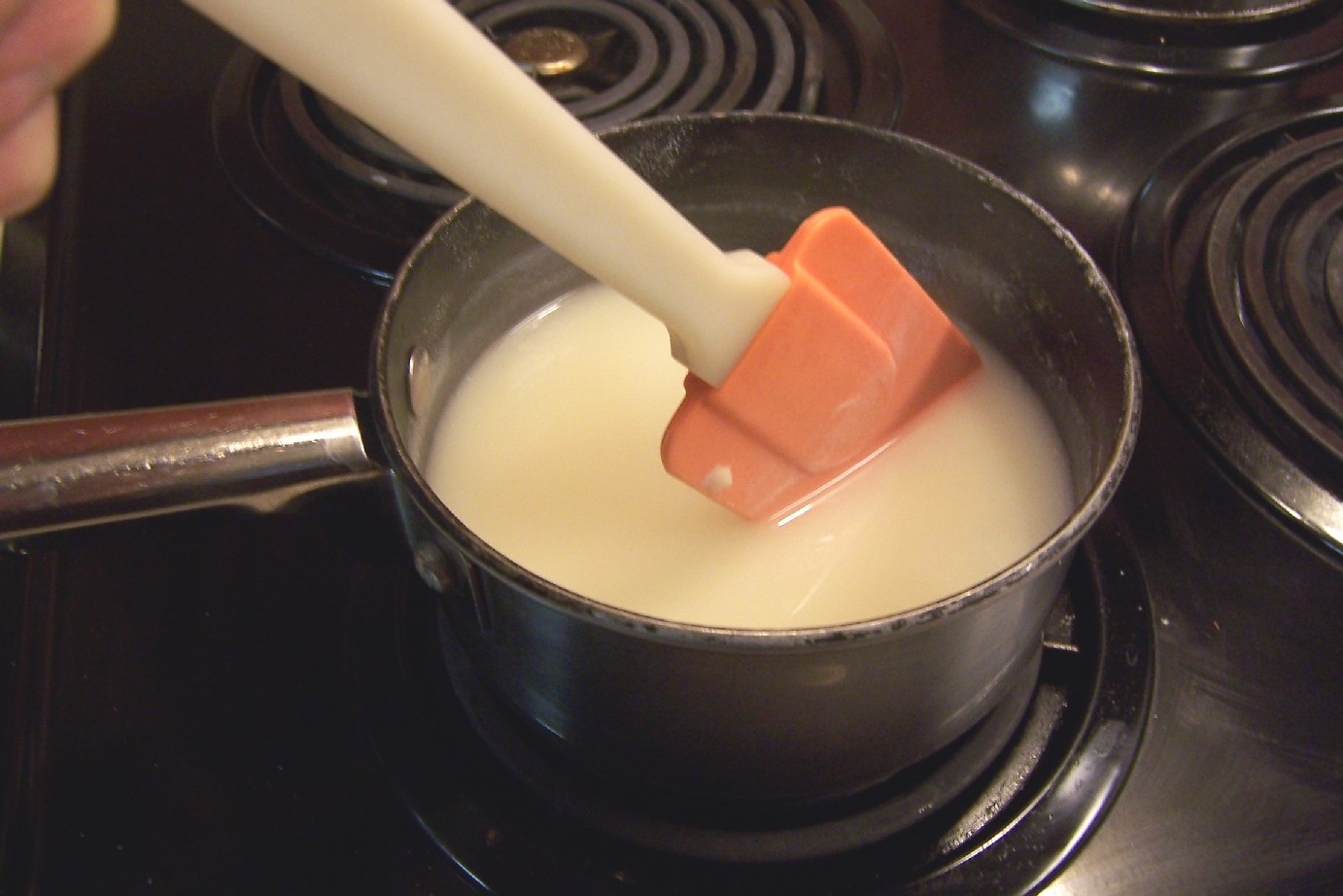
Glue: Why buy glue when you can easily make it? Wheat paste has been around for centuries and is a favorite among street artists worldwide. It uses just 3 common household items: water, flour and sugar. There are lots of different recipes for making wheat paste but here’s one if you don’t want to sift through google. They are all pretty much the same, and will be good for use for up to a week. Also consider this as an alternative to store bought Modge Podge or epoxy resins for sealing.


Buy used: Nowadays, a lot of the art you see is digital. This means digital cameras, software, tools, etc. Consider buying these things used instead of new. Technology moves fast and it’s important to keep up, but unless you are a pro and making money off your art, then it doesn’t really seem reasonable to buy that new $3K digital camera or $2k for that pen tablet. Remember, it’s what you do with the tools you have. Although I may want the new 5D Mark II or D700, if I don’t know how to compose a nice picture to begin with, no amount of vibration reduction, vertical horizon, autofocus, etc…is going to make it any better than if i shot it using a disposable camera. And think of all the plastic you saved from the dump by buying used! Also, many programs come with multiple downloads or users. Consider splitting one among friends or searching for a single user from places like craigslist or eBay.

Notebooks: I LOVE notebooks. This is one area that’s really hard for me. Every artist needs a good notebook. I have a reserve of several nicer notebooks/journals for the stuff I want to keep or remember but for quick notes and to-do lists – the stuff that eventually gets tossed and recycled – I use scrap paper. At work we go through a lot of paper, and almost all of it is one-sided. I keep a pile of this on my desk for quick notes or things that I know I won’t need to keep around for a while. You can also gather up all this paper and bind it into a nice little notebook as well.

Pens: Ok, so this is me on my soapbox for a minute. As much as I love notebooks, I also LOVE fountain pens. They are very eco-friendly in that you only need ONE good fountain pen and it will last you for potentially your entire lifetime. At the very least it will outlast your cheapy disposable several times over. Just think of all the plastic that goes into making disposable pens – and then think of your pen collection. How many of those pens are disposable? I would guess that for most Americans, almost all the pens they use are disposable. All that ends up somewhere. Although I have several fountain pens, my favorite is a super cheapy one made by a Chinese company (Hero) that I picked up in Thailand for around $2 USD. Similar models (Hero 330) are available here for only $5. Noodler’s inks are also relatively inexpensive at around $10-15/bottle for 3oz which is more than enough ink to last. That’s a $15-20 investment, which I’m sure is around or less than what most of us spend in the course of a year on pens. Not to mention all the other benefits of fountain pens such as improved penmanship, less strain on your hand, etc… Fountain pens now come in many different nib sizes so illustrators have a variety of line widths to choose from.

Canvas: Yes, sometimes, you will need to go buy that huge canvas for that huge project, but sometimes, you don’t. Consider other materials that are readily available and free/cheap. Adam Neate made a career out of painting on cardboard. Consider this, along with wood, glass, vinyl, fabric, basically any surface. Many of these items can be found in thrift stores for cheap. Now, with the huge popularity of Street Art, the entire city is your canvas! Painting on an alternative surface also pushes you to think more about the nature of that surface. It engages your creative juices in a different way than painting on canvas or canvas board.

These are but a few ideas. Feel free to tweak these to suit your needs and resources. Also don’t be afraid to build your own tools. If you have any more ideas, let me know and I’ll post them here. More to come on eco-friendly art in future posts as well as different topics to consider.